
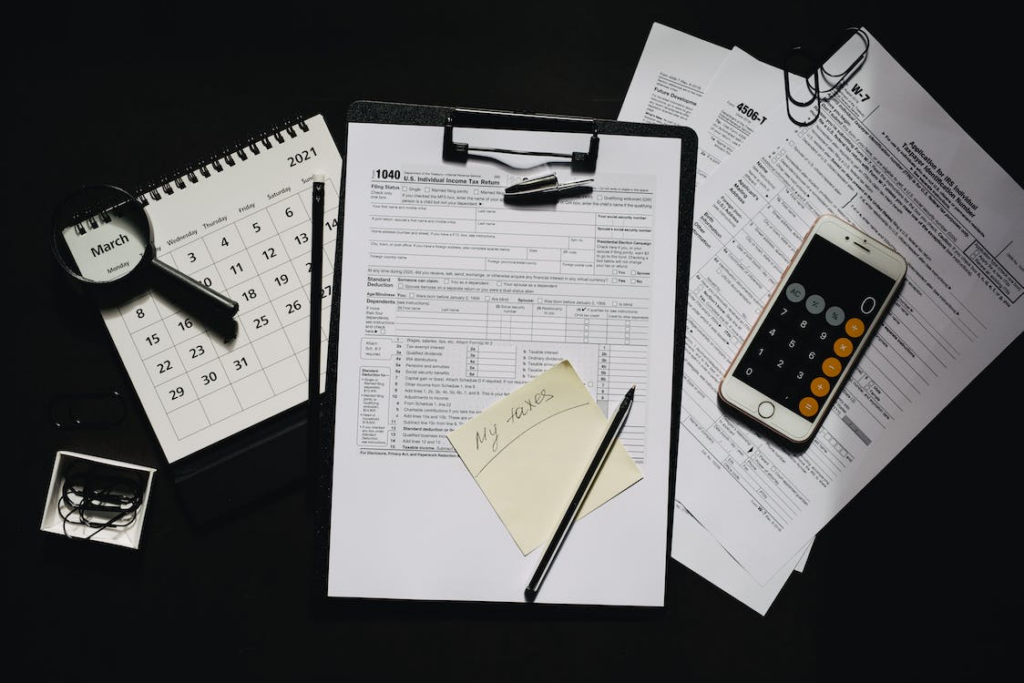
In the meticulous world of tax preparation, the mantra is clear: practice makes perfect. For professionals in the field, mastering the art of tax returns is not just about number crunching; it’s a skill honed through diligent practice. Imagine a scenario where each tax return you prepare becomes easier but more accurate and efficient. This is the power of practicing tax returns.
For seasoned accountants and those new to the field, practice tax returns serve as a crucial tool for skill enhancement. They provide a safe platform to experiment, make mistakes, learn, and improve without real-world consequences. It’s about transforming complex tax laws and regulations into well-executed calculations and decisions.
Engaging in regular practice keeps professionals sharp and up-to-date. It ensures that they are prepared, confident, and competent when faced with the real thing. The importance of this practice cannot be overstated, especially in an industry where precision is paramount and the stakes are high.
So, whether you’re just starting or looking to refine your skills, keep reading to explore the significance and methods of practicing tax returns. It’s a journey of continuous learning and improvement that shapes not just individual careers but the entire landscape of tax preparation.
Table of Contents
Understanding the Basics of Tax Returns
At the heart of tax preparation lies a solid understanding of the basics of tax returns. A standard tax return includes various components such as income, deductions, and credits. Navigating through these elements requires a firm grasp of tax laws and regulations. Tax software has become an indispensable ally in this process, simplifying complex calculations and streamlining the preparation workflow. Keeping up with the latest changes in the tax code is crucial for accurate filing.
Tools for Practicing Tax Returns
In the quest to sharpen tax return skills, various tools and platforms offer a playground for professionals. The options are diverse, from software simulating real-life scenarios to online platforms that provide interactive case studies. Simulation software, in particular, stands out for its ability to mimic real-world tax situations, allowing for practical experience without real-world consequences. TaxRobot Software and Consulting is one such tool that provides comprehensive support in this practice. The choice between traditional methods and digital tools depends on the individual’s preference and the specific learning objectives they wish to achieve.
Elevate your tax preparation skills to the next level. Get a free demo of our innovative tools at TaxRobot and start sharpening your skills today!
Developing Accuracy in Tax Return Preparation
Accuracy is the cornerstone of tax return preparation. Developing precise calculation techniques is essential for any tax professional. Paying close attention to every detail can make a significant difference. Implement strategies like cross-checking and verifying data to ensure correctness. Be aware of common errors that can occur and understand how continuous practice plays a crucial role in honing accuracy. Remember, every number counts; each accurate return is a step toward professional excellence.
Related: The Right Way Of Using AI In Accounting
Time Management in Tax Return Preparation
Efficient time management is vital in the fast-paced world of tax preparation. It’s about finding the perfect balance between being thorough and efficient. Set realistic goals for completing returns and use tools and techniques that expedite the process without compromising accuracy. Avoid the stress of last-minute rushes by managing your time effectively and filing timely. Remember, good time management skills are as important as technical knowledge in tax return preparation.
Dealing with Complex Tax Scenarios
Tax return preparation can sometimes feel like navigating through a maze, especially when dealing with complex scenarios involving intricate income, deductions, and credits. It’s crucial to deeply understand tax laws and how they apply in complicated cases. Practice scenarios are excellent for building confidence. Feel free to consult experienced professionals when in doubt. Learning from real-world cases gives invaluable insights into handling complex tax situations with finesse.
Enhancing Problem-Solving Skills
Problem-solving is a vital skill in the tax preparation arena. Effective tax return preparation demands a good grasp of numbers and strong analytical skills. Practicing tax returns is a great way to develop this skill set, presenting scenarios requiring critical thinking and problem-solving. Techniques to resolve discrepancies and uncertainties are essential. Using case studies can significantly enhance your ability to tackle complex tax issues effectively.
Related: Important Things To Know About R&D Tax Credit Deadline
Keeping Up with Tax Law Changes

The tax landscape is ever-changing, and staying abreast of the latest tax law updates is crucial. Incorporating new laws into practice tax returns helps you adapt to changes swiftly. Engaging in ongoing education and professional development programs is key to keeping your knowledge current. Resources like TaxRobot Software and Consulting can be invaluable in providing the latest updates and insights into the evolving world of tax law.
Client Communication and Advisory Skills
Effective communication with clients is as crucial as preparing accurate tax returns. Practicing tax returns helps hone advisory skills, enabling you to explain complex tax concepts to clients clearly and understandably. The role of practice in enhancing client consultations cannot be overstated. Building trust and reliability through accurate and well-explained tax advice is essential for establishing long-term client relationships.
Related: Top 5 Bank Products For Tax Preparers
Advancing Your Career with Tax Return Expertise
Expertise in tax returns is a stepping stone to professional growth. It opens up avenues for specialization, allowing you to become an expert in specific areas of tax preparation. This specialization builds a reputation for excellence, setting you apart in tax services. Networking and engaging in professional development are vital to advancing in this arena. Your advanced skills in tax return preparation become a magnet for attracting and retaining clients, enhancing your professional stature.
Ready to master the art of tax returns? Get a free demo from TaxRobot and transform your practice with our cutting-edge solutions to help businesses claim R&D.
Mastering the Art of Tax Returns

Mastering tax returns is an ongoing journey that significantly contributes to your professional growth. Regular practice sharpens your skills, ensuring accuracy and efficiency in your work. The field of tax preparation is ever-evolving, and continuous learning is crucial. Utilize the tools and resources available, such as those offered by
TaxRobot, to stay at the forefront of the field. Becoming an expert in tax return preparation is challenging yet rewarding, offering immense satisfaction and professional fulfillment.
For those committed to excellence in tax preparation, remember that every return you practice, every update you learn, and every client you advise adds to your expertise. Embrace this journey with dedication and enthusiasm. For further advancement and mastery in tax returns, consider exploring the advanced training and tools available at TaxRobot to help you claim R&D tax credits for your clients. Becoming a distinguished expert in tax return preparation is rewarding and enriching, leading to a fulfilling career in the dynamic world of taxation.